2026-04-13
Beach parasols fall into six main types: classic pole umbrellas, cantilever (offset) parasols, market umbrellas, beach tent/cabana umbrellas, tilting umbrellas, and mini personal parasols. Each is designed for a different combination of portability, shade coverage, wind resistance, and setup ease. Knowing which type fits your needs saves money and prevents frustration on the sand.
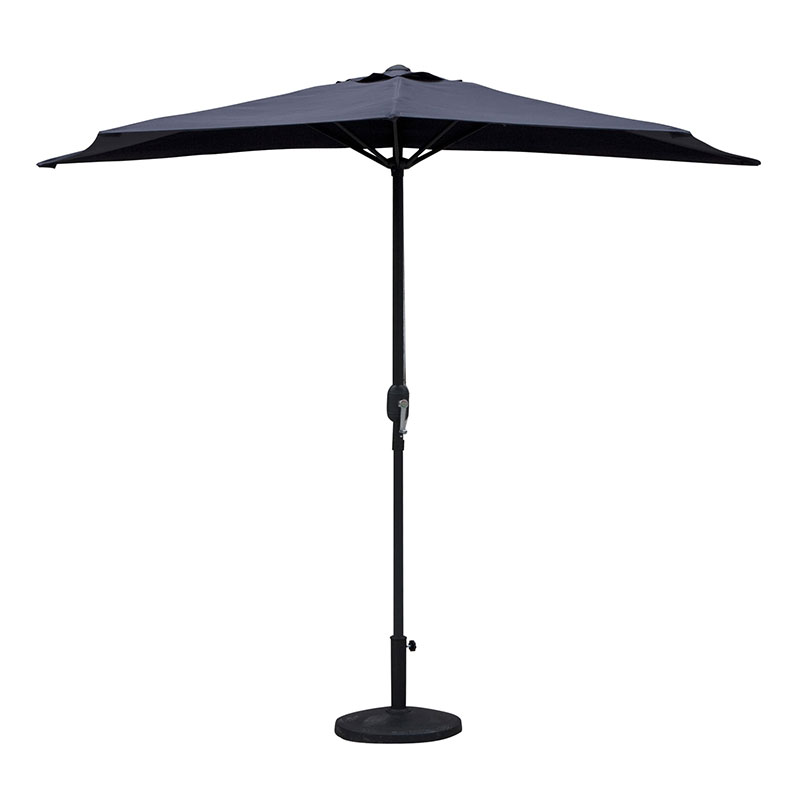
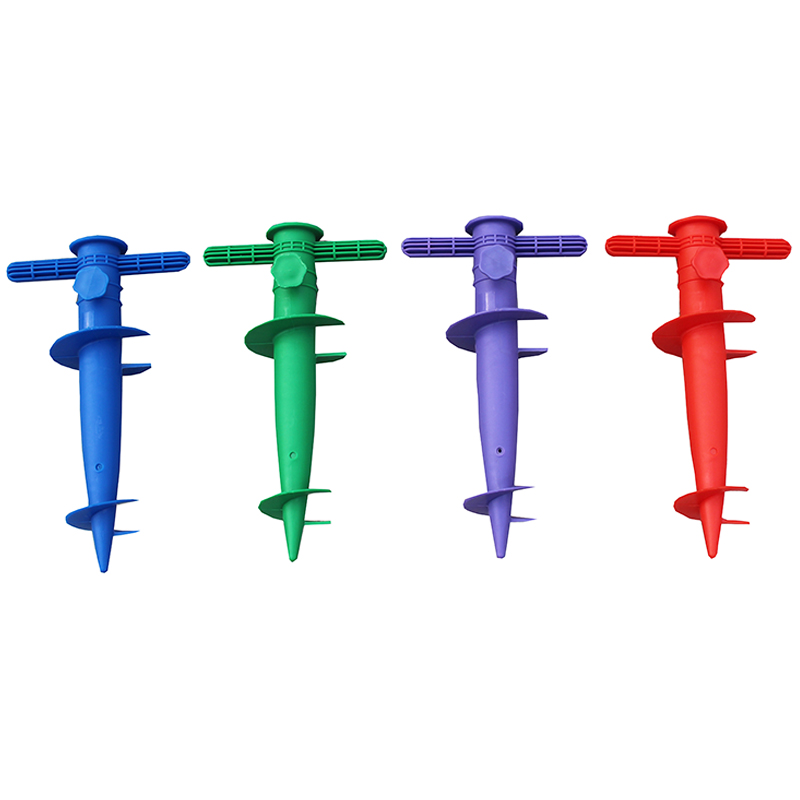
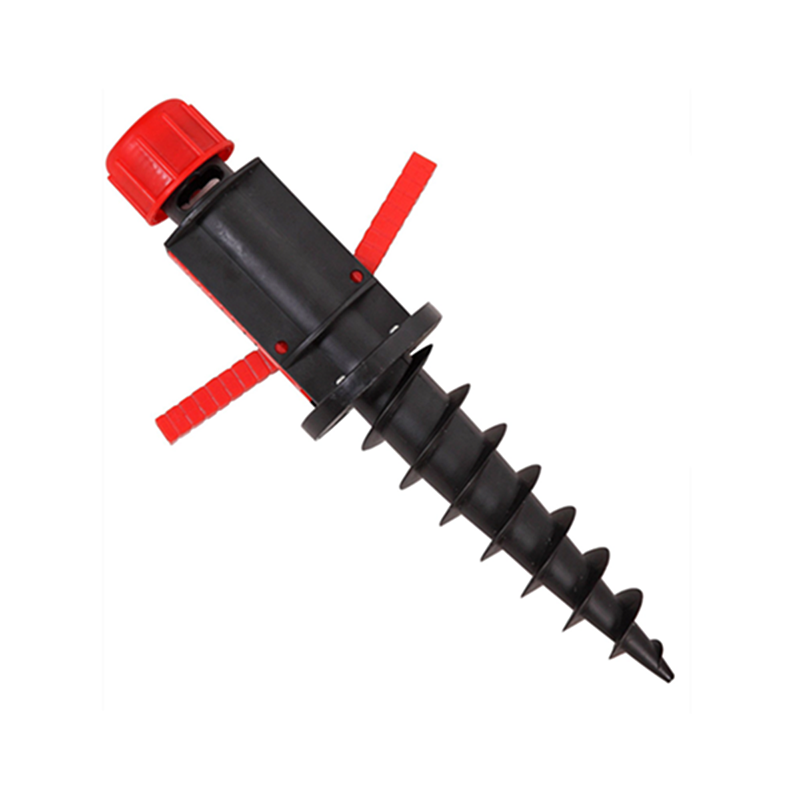
The classic pole umbrella is the most widely used beach parasol worldwide. It consists of a single central pole — typically 6 to 8 feet tall — with a canopy stretched over a ribbed frame. The pole is pushed or screwed directly into the sand using a pointed tip or a sand anchor.
Canopy diameters usually range from 6 to 9 feet, providing enough shade for one to three people. Aluminum poles are lighter (around 3–5 lbs), while fiberglass poles are more flexible and better in gusty conditions. This type is the most affordable, with quality options available between $25 and $80.
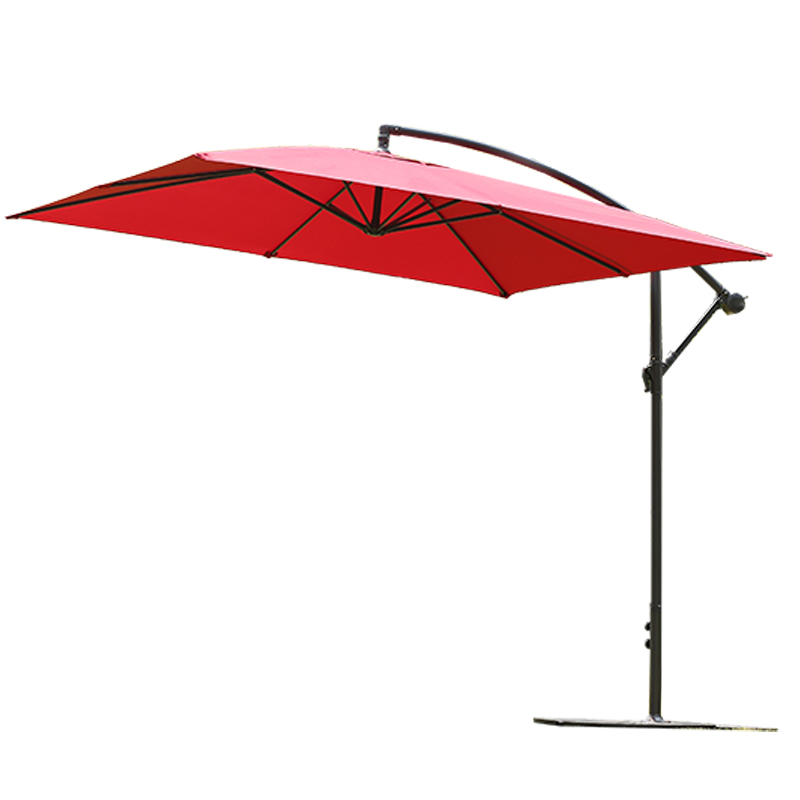
A cantilever parasol uses a side-mounted or offset pole so the canopy hangs over the seating area with no center pole obstructing the space below. On the beach, these are typically mounted on a heavy base or buried stake, with a lateral arm extending 6 to 10 feet out over the shaded zone.
They are heavier and pricier than classic models — quality cantilever parasols run from $150 to $500+ — but they allow 360° rotation and full canopy tilt, letting you track the sun throughout the day without repositioning your seating arrangement.
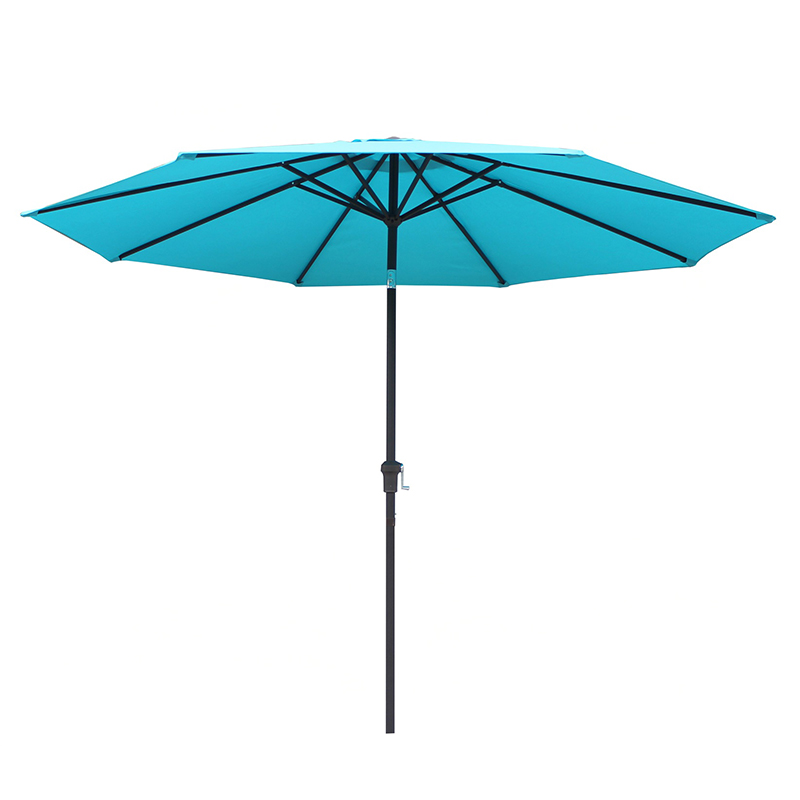
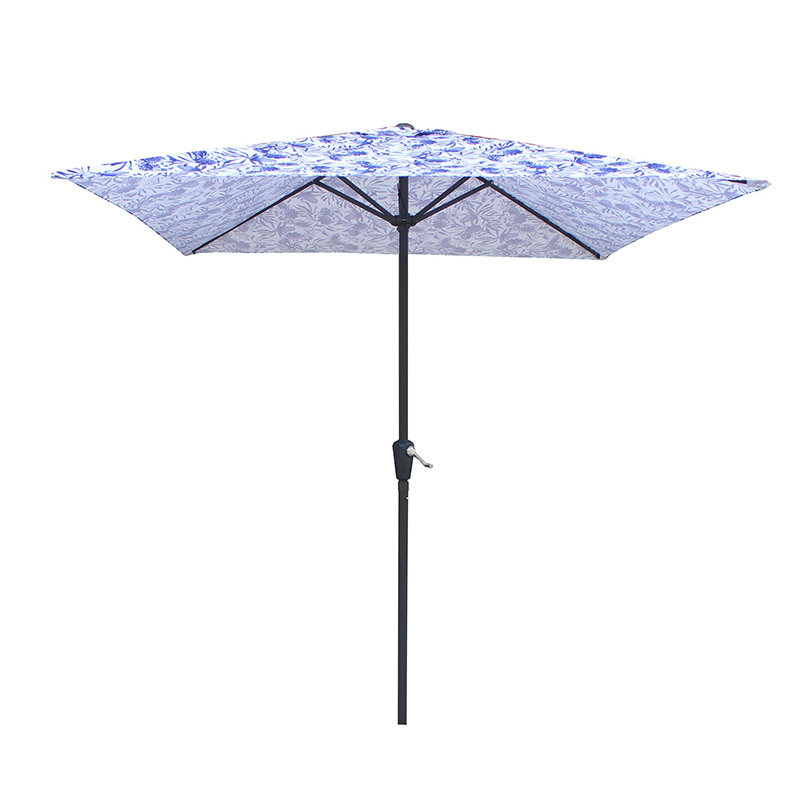
Tilting umbrellas are a popular upgrade over basic pole models. They feature a push-button or crank-operated hinge partway up the pole that allows the canopy to angle up to 30–45 degrees. This lets you block low morning or afternoon sun without needing to relocate the entire umbrella.
Most tilting umbrellas have canopies between 6.5 and 8.5 feet in diameter and are priced in the $40–$130 range. The tilt mechanism adds minimal weight — usually less than half a pound — making it a practical step up from a fixed-angle classic pole umbrella.
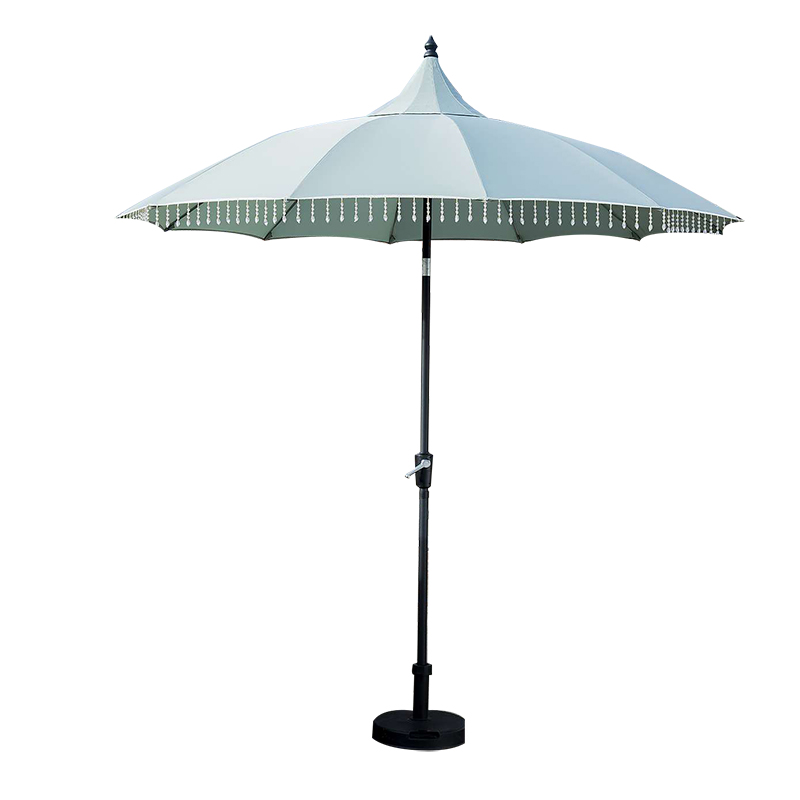
Market umbrellas are the larger, more structured cousins of classic pole umbrellas. Originally designed for outdoor dining and markets, they are increasingly used on beaches and beach decks. They typically feature 8 to 11 ribs instead of the standard 6–8, canopy diameters of 9 to 11 feet, and a more refined aesthetic with scalloped or striped fabric edges.
Because of their size and weight (often 15–25 lbs), market umbrellas are better suited to semi-permanent beach setups with a weighted base or a deep sand anchor rather than casual carry-in beach visits.
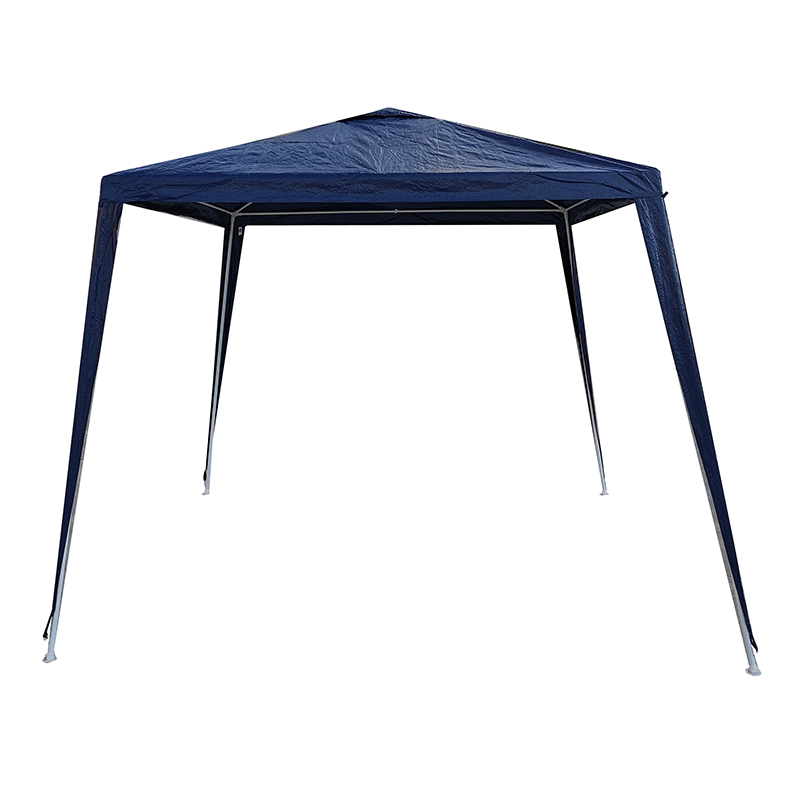
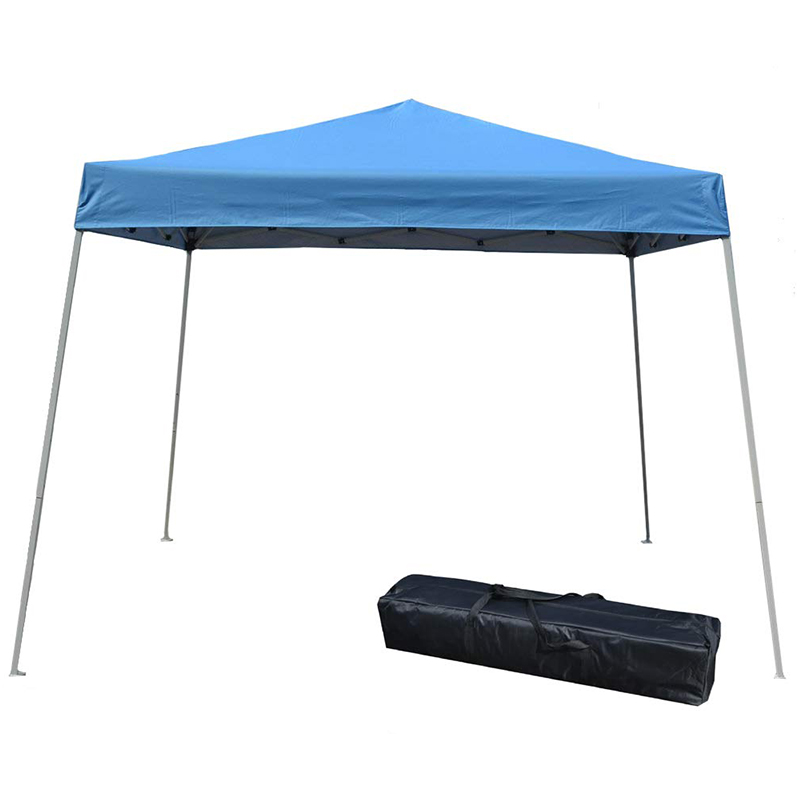
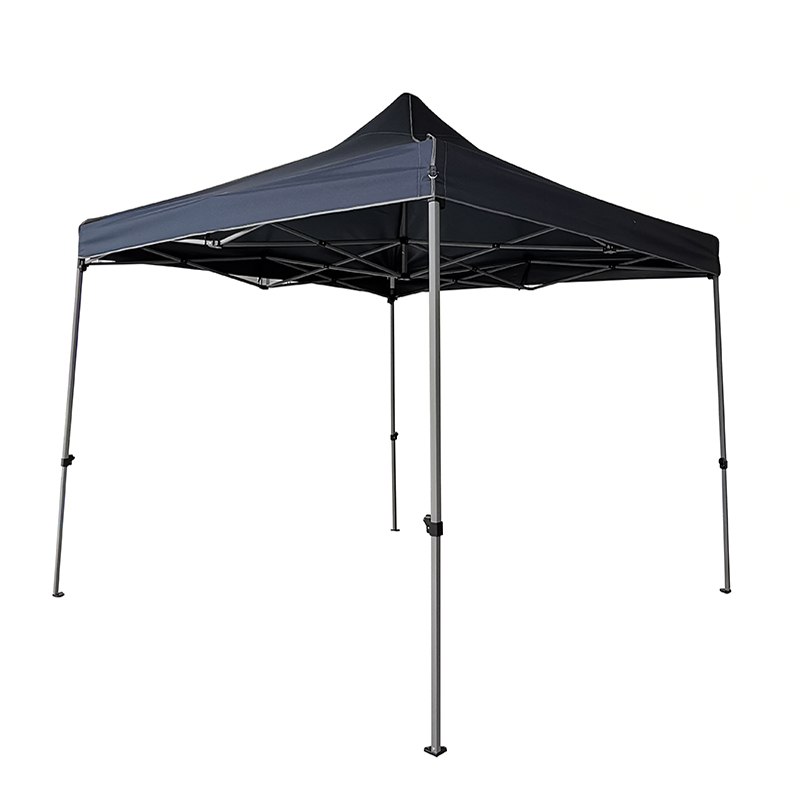
Beach tents and cabana-style umbrellas blur the line between a traditional parasol and a shelter. They feature three or four walls of fabric (some open-sided, some zippered), providing shade from overhead sun as well as protection from wind, blowing sand, and lateral UV rays.
Most are rated UPF 50+, making them the best choice for sun-sensitive skin or young children. Sizes range from compact 1-person pods weighing just 2–3 lbs to large family cabanas covering 8 × 8 feet or more. Brands like Neso, Pacific Breeze, and Sport-Brella are among the most recognized in this category.
Mini personal parasols are compact, handheld or stake-mounted parasols designed for one person. Canopy diameters are typically 3 to 5 feet, and they weigh as little as 1 to 2 lbs. Some models are designed to be held like a traditional sun umbrella, while others come with a flexible gooseneck stake that anchors into the sand and can be angled over a single lounger.
Products like the EasyGo Personal Beach Umbrella or the Shadybrew clamp-on umbrella fit into this niche. Prices are typically between $15 and $45, making this the most affordable category.
| Type | Canopy Size | Weight | Price Range | Best Use Case |
|---|---|---|---|---|
| Classic Pole | 6–9 ft | 3–5 lbs | $25–$80 | Solo or couple, calm conditions |
| Cantilever/Offset | 9–13 ft | 20–40 lbs | $150–$500+ | Groups, permanent setups |
| Tilting | 6.5–8.5 ft | 4–7 lbs | $40–$130 | Full-day visits, sun tracking |
| Market | 9–11 ft | 15–25 lbs | $80–$250 | Resorts, beach bars, large groups |
| Beach Tent/Cabana | Varies (up to 8×8 ft) | 2–8 lbs | $35–$150 | Families, windy beaches, UV protection |
| Mini Personal | 3–5 ft | 1–2 lbs | $15–$45 | Solo travelers, reading, compact use |
Most beach parasol canopies are made from polyester, nylon, or Olefin fabric. Look for a UPF 50+ rating, which blocks over 98% of UV rays. Darker colors and denser weaves generally offer higher UV protection. Avoid thin or faded canopies — a bleached-out umbrella may have lost most of its UV blocking ability.
Aluminum poles are lightweight and rust-resistant, making them ideal for frequent beach use. Fiberglass poles are slightly heavier but flex instead of breaking in wind gusts — a meaningful advantage in exposed coastal conditions. Steel poles are the heaviest and most prone to corrosion in saltwater environments.
Standard beach umbrellas begin to become unstable at winds above 15–20 mph. Vented canopies — which feature a double-layer top with an open gap that allows wind to pass through — significantly improve stability in breezy conditions. Beach tents and cabanas with sand-pocket anchors handle wind best overall.
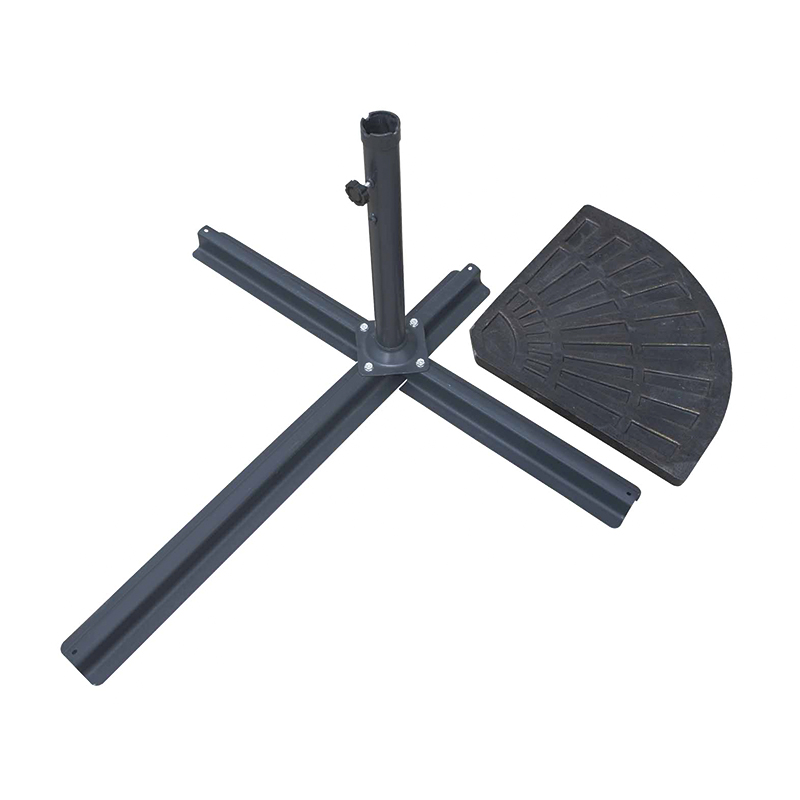
Classic and tilting umbrellas rely on direct sand insertion via a pointed tip, sometimes supplemented by a screw-type sand anchor. Cantilever and market umbrellas require a weighted base or buried plate. Beach tents stake into the sand using pegs or sand pockets filled with 20–30 lbs of sand each.
The right choice depends on three practical factors: group size, portability needs, and typical wind conditions at your beach destination.
Regardless of type, always anchor your parasol securely. Unsecured beach umbrellas become dangerous projectiles in wind — a 6 lb umbrella can reach speeds of 50 mph if launched by a gust, posing real injury risk to other beachgoers.
ผลิตภัณฑ์ที่เกี่ยวข้อง
เป็นคนแรกที่รู้
+86 13357500282
Songxia Town, Shangyu District, Shaoxing City, Zhejiang Province, China
โรงงาน Parasols China และ ผู้ผลิตร่มในสวนขายส่ง